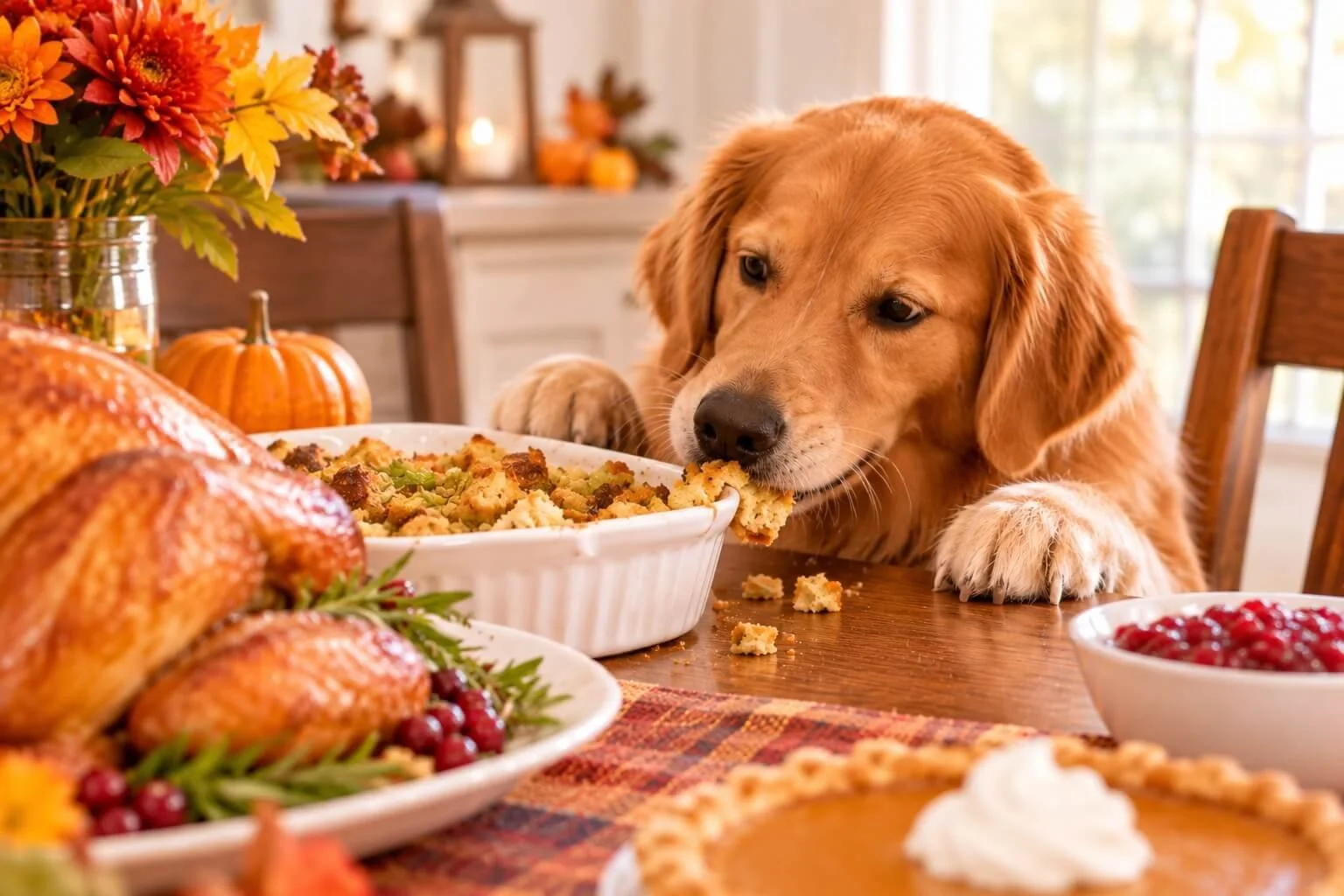
The holidays are full of good food, busy kitchens, and family coming in and out of the house. And if you have a dog who loves to sneak scraps or a cat who has to investigate everything, you know how quickly they can get into trouble.
One minute you’re enjoying Thanksgiving dinner. The next, you’re wondering whether the turkey bones your dog grabbed or the ribbon your cat swallowed could mean a trip to the emergency vet.
At VERGI 24/7, we see how stressful those moments can be. Here’s what to keep an eye on this holiday season and what to do if your pet eats something they shouldn’t.
Holiday foods to keep out of reach:
Chocolate and sweets: Keep chocolate candies, brownies, cookies, and baking ingredients out of reach. Dark and baking chocolate are especially concerning. Sugar-free gum, mints, peanut butter, and desserts may contain xylitol (sometimes listed as birch sugar), which can cause a dangerous drop in blood sugar and liver damage in dogs. Check ingredient labels rather than assuming a treat is pet-safe.
Grapes and raisins: Grapes and raisins can cause sudden kidney injury to dogs, and the amount that causes harm is unpredictable. Check fruit salads, cheese boards, raisin bread, cookies, and stuffing. If your dog eats even a small amount, call a veterinarian immediately.
Onions, garlic, and seasoned dishes: These ingredients can damage red blood cells in dogs and cats, whether raw, cooked, or powdered. That means stuffing, mashed potatoes, gravy, green bean casserole, and seasoned meats may be risky even when they look harmless.
Turkey bones, skin, and rich leftovers: Never offer cooked turkey bones. They can splinter, become lodged, or injure the digestive tract. Turkey skin, buttery sides, gravy, and fatty meat scraps can cause vomiting, diarrhea, or pancreatitis. Keep the turkey carcass and used roasting pans away from curious noses, too.
Alcohol and raw yeast dough: Keep cocktails, spiked desserts, and unattended drinks away from pets. Raw yeast dough can expand inside the stomach and produce alcohol as it ferments. Both situations require prompt veterinary advice.
Also watch for macadamia nuts (toxic to dogs), coffee and caffeinated drinks, and foods containing large amounts of salt. A good holiday rule: stick to your pet’s regular food and approved treats instead of sharing from the table.
A few other easy-to-miss items: sugar-free desserts and gum in purses, raisins baked into holiday bread, and onions or garlic mixed into otherwise plain-looking sides. If you are unsure about an ingredient, keep it away from your pet.
Don’t forget the decorations.
Food isn’t the only thing pets get curious about. Ribbon, tinsel, ornaments, and small decorations can become serious problems if swallowed. String and ribbon are especially concerning for cats because they can cause intestinal injuries. Chewed electrical cords are another hazard, and lilies can be extremely toxic to cats.
If you see string hanging from your pet’s mouth or rear end, don’t pull it. Call a veterinarian right away.
So, what should you do if your pet gets into something?
Move your pet away from the food or object. Pick up any remaining pieces so they cannot eat more. If they are choking, struggling to breathe, collapsing, or having a seizure, seek emergency veterinary care immediately.
Figure out what they ate and when. Check the packaging, ingredients, missing portion, and approximate time of exposure. If possible, note your pet’s weight and whether they have vomited or shown any other symptoms. Bring the package or a photo of the label with you.
Call an emergency veterinarian or animal poison control service right away. Don’t wait for vomiting or other symptoms if your pet ate something potentially toxic, a sharp object, or string. The team can tell you whether your pet needs to be seen immediately and what information to bring.
When is it an emergency?
Repeated vomiting, trouble breathing, tremors, unusual weakness, a swollen or painful belly, seizures, or collapse are all reasons to seek immediate veterinary care. But here’s the important part: you don’t need to wait for those signs to appear. Some toxins and swallowed objects can cause damage before your pet starts acting sick.
What your pet ate, how much they ate, their size, and how long ago it happened all matter. A quick call can help you figure out the safest next step.
A little planning goes a long way!
Keep food pushed back from counter edges, put leftovers away promptly, and use a trash can your pet can’t get into. It also helps to remind guests not to sneak treats under the table. If your home gets busy during gatherings, a quiet room away from the food and decorations may be the safest spot for your pet.
Of course, accidents still happen, even when you’re careful.
We are here for your pets, even on the holidays!
If your dog steals something off the table or your cat gets into something questionable, you don’t have to guess whether it’s serious. VERGI 24/7 is here around the clock, including holidays, when your pet needs emergency care. If you’re not sure if it’s an emergency, give us a call.
We hope your holiday season is full of good memories, good food, and healthy pets. But if something unexpected happens, we’re here to help.
